
Cinema 4D
Cinema 4D is the 3D core of every motion design project. MoGraph builds the procedural animation, precise modeling and character tools shape your assets, and Xpresso automates the repetitive parts.
For motion designers, studios, and in-house brand teams who need photoreal 3D results on a deadline
Cinema 4D’s MoGraph toolset replaces hours of manual keyframing with procedural, time-saving features. Add a Cloner to arrange objects on a grid. Add an Effector and a Field, then watch the entire array move as one. Redshift renders the photoreal or stylized result on your GPU. Red Giant finishes the shot inside After Effects. Maxon One ensures you keep precise control over the look of each frame through every step.
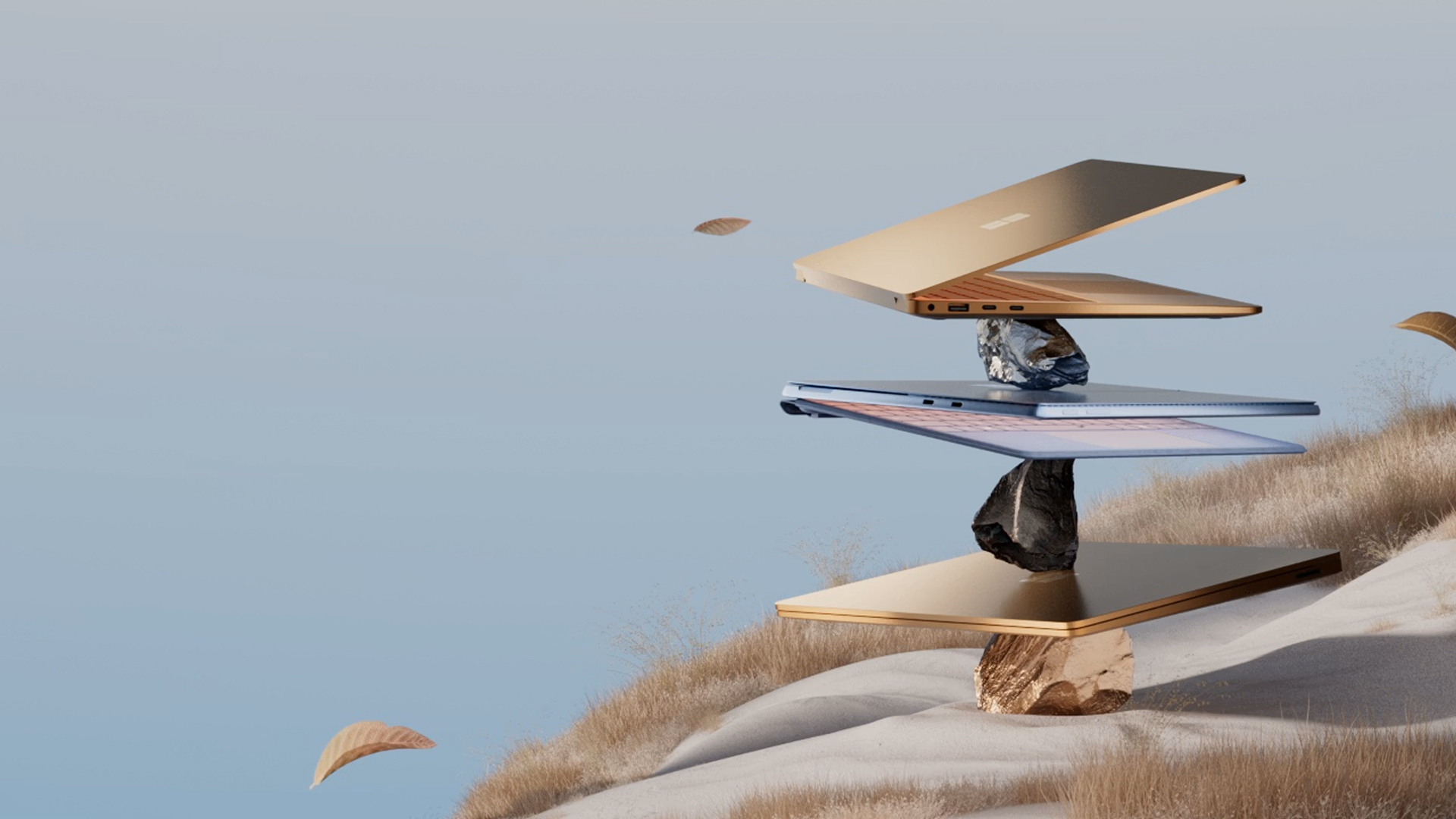
3D motion design is the craft of animating text and objects in three-dimensional space. It powers title sequences, brand films, product reveals, and broadcast graphics that need real depth and camera movement rather than flat layers. Cinema 4D’s industry-trusted MoGraph toolset drives procedural animation and is coupled with Redshift, a high-quality GPU renderer that transforms scenes into stunning dynamic visuals.
Benefits

Animating every element by hand takes away from creation time. MoGraph drives a whole array from a single Effector, so a grid of objects moves together in a few clicks. Adjust one parameter and the entire scene updates.
Clients often ask for changes at the last minute. With Xpresso and procedural setups, iteration is a breeze. Simply swap the text in a lower-third or retime an animation, then quickly re-render.


Most 3D work has to land in another app before it ships. Cineware sends your Cinema 4D camera and scene data straight into After Effects with no separate export. Red Giant adds effects and final color to polish your footage. 3D work and compositing stay in one connected workflow instead of a chain of handoffs.
Our Users

Capabilities
MoGraph is Cinema 4D’s procedural motion system, trusted by designers worldwide for 3D projects. Easily bring objects to life using Cloners and Effectors instead of keyframing by hand. Create complex animations fast with the ability to easily make changes.


Redshift’s GPU-accelerated render engine is included with Cinema 4D, so you can achieve production-quality frames without multiple subscriptions. Redshift provides photoreal results through a node-based PBR workflow, while also handling stylized and non-photoreal looks when the brief calls for them.
Motion design projects go beyond animation. Cinema 4D takes care of it all, from modeling and texturing to lighting and camera work.
Integration

Compositing and adding effects shouldn’t require going back and forth between applications. Cineware passes your Cinema 4D camera and scene data into After Effects natively, so there is no separate export step and no broken match-move. Red Giant adds effects and final color on the same timeline, and its tools also reach the major NLEs beyond After Effects. For real-time and virtual production, Cineware for Unreal brings Cinema 4D scenes into Unreal Engine.
Cineware supported hosts: After Effects | Unreal Engine | Adobe Illustrator | Vectorworks | Archicad | Allplan
Our Solutions
3D motion design goes from animation to rendering to final compositing, and Maxon One covers everything in one subscription. Cinema 4D handles 3D animation, and Redshift provides GPU-powered rendering. Cineware seamlessly brings Cinema 4D right inside After Effects. Red Giant carries your projects through with unparalleled effects and color. Your entire workflow remains connected.
Cinema 4D is the 3D core of every motion design project. MoGraph builds the procedural animation, precise modeling and character tools shape your assets, and Xpresso automates the repetitive parts.

Redshift is the GPU renderer included with Cinema 4D. It delivers photoreal frames through a node-based PBR workflow and switches to stylized looks when needed, all while being fast enough to keep iteration moving.

Red Giant finishes shots inside your editor and compositing hosts. Add particles with Trapcode Particular, create the perfect vibe with Magic Bullet Looks, and polish your footage with advanced VFX tools. Add effects directly in the most popular NLEs and compositors like Autograph, After Effects, and more.
Maxon One bundles Cinema 4D and Redshift with Red Giant and more in one subscription. Artists can go from 3D creation to compositing and finishing with less friction and greater creative control.
Tutorials
Learn all about how to create 3D motion design projects that stand out with Cinema 4D’s MoGraph toolset and GPU renderer, Redshift. Get tips on how to quickly enhance your work with Red Giant tools for color correction, effects, and transitions that add cinematic polish. Cineversity has a growing library of training courses, tutorials, and quick tip videos, from first-day basics to advanced 3D motion design techniques.
EJ Hassenfratz


Maximus Raharjo

Case studies
Testimonials
How it works
Creating a 3D motion piece with Maxon One follows a clear path from blank scene to final frame. Start in Cinema 4D to block out and clone objects, then drive them with Effectors and Fields. Redshift renders the result, and Red Giant tools and effects finish it off in After Effects. Each step hands cleanly to the next, so the workflow stays continuous from idea to delivery, no matter your pipeline. Here is the shape of a typical project.
Start with a Cloner to instance one object into a grid or radial array. The Cloner keeps every copy editable, so you can change its count or spacing at any point without rebuilding the scene.
Add a Plain Effector and a Linear Field to animate the whole array at once. The Field controls the animation falloff, and that single setup replaces manual keyframing of each object. This is the move most 3D motion graphics lean on.
Light your scene and let Redshift render it on the GPU. The node-based materials give you photoreal or stylized output, and the interactive preview updates as you adjust lighting. You dial in the look before committing on a full render.
Send the scene directly to After Effects through Cineware with no manual export. Red Giant adds effects and final color on the same timeline, and you output the finished piece without leaving your compositing app.
Cinema 4D is the studio standard for 3D motion design, largely because of its MoGraph toolset. MoGraph generates complex procedural motion without scripting, and the included Redshift renderer brings scenes to life with vivid realism. Cinema 4D’s MoGraph toolset received an Academy Sci-Tech Award in 2019.
MoGraph is Cinema 4D’s procedural motion graphics toolset. The Cloner tool creates live copies of objects and arranges them along a line, circle, grid, object or spline, and Effectors animate parameters across those clones. A Field then sets the animation falloff. Together, they produce intricate motion without manual keyframing.
Cinema 4D allows you to create and animate in 3D on its own. That being said, many designers composite in a host software like After Effects. Cineware effortlessly passes camera and scene data into After Effects natively, with no separate export. Red Giant tools add effects and color for unparalleled finishing. Maxon One covers an entire line of tools that work with your pipeline.
Cinema 4D is specifically designed around motion design, rather than being retrofitted for it. MoGraph gives you procedural animation through a visual, design-first workflow instead of node math or scripting, so you stay focused on the look. The result is faster iteration for all types of projects.
Cinema 4D comes with Redshift, a cutting-edge, GPU-accelerated renderer. Redshift handles complex lighting and materials at speed, which suits the fast turnaround of motion work. It produces both photoreal and stylized output from one node-based system.

From your first Cloner to the final composite, Maxon One keeps your 3D motion work in one place.
Start with a 14-day free trial. Cancel anytime, no long-term commitment.