理想的な雰囲気でダイナミックな建築ビジュアライゼーションを作る Kutuko Studioがダイナミックなバスルーム空間でPhilipsの照明に命を吹き込んだ方法。
プロジェクトのワークフローと成果
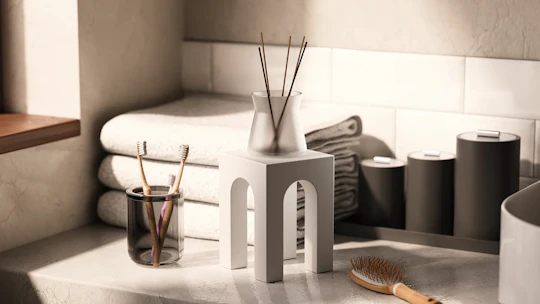
Kutuko StudioはCinema 4DとRedshiftを使用して、デザイン空間に合わせて照明オプションをどのように調整できるかを示す、Philips向けの洗練されたバスルーム照明プロジェクトを制作しました。
生活空間において、照明は部屋全体の印象を大きく変えることができます。モジュール式照明器具のような機能的な製品を建築ビジュアライゼーションプロジェクトへと落とし込むには、特別なスキルと革新的なビジョンが必要です。Kutuko Studioは、Philipsのバスルーム照明に向けた最新プロジェクトで、こうした資質を示しています。
Kutukoはマドリードを拠点とするクリエイティブおよびアートディレクションスタジオで、Carlos Cabrera Olayoが率いています。同スタジオはブランド向けのビジュアルコンテンツを制作しており、緻密なアートディレクションと、オーディエンスとつながる魅力的なストーリーテリングを作り上げることに重点を置いています。その活動は、デジタルキャンペーンやソーシャルコンテンツから、没入型体験、モーショングラフィックスまで、複数のメディアにわたります。Philips、Hamilton、Real Madrid、Xiaomi、Bullpadelなど、著名なクライアントとのコラボレーション実績があります。
Philipsのバスルーム照明プロジェクトでクリエイティブディレクター兼リード3Dアーティストを務めたGerard Jáureguiに、Kutukoがどのように理想的なシーンとライティングを作り上げたのかについて話を聞きました。
Philipsのバスルーム照明プロジェクトのスコープについて教えていただけますか?
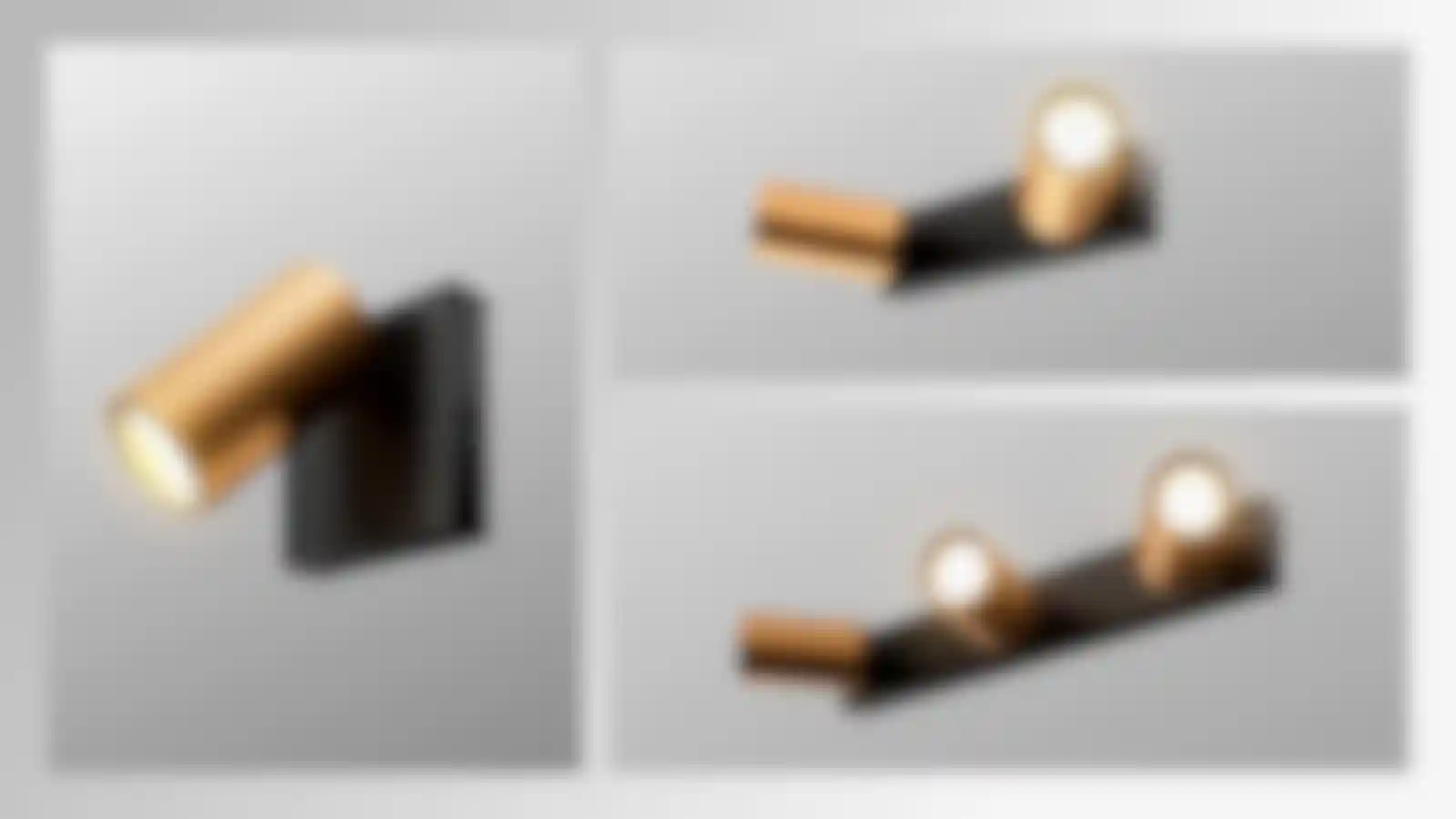
Jáuregui: 目的は、Philipsの新しいバスルームランプを紹介し、さまざまなモデルやカラーを際立たせることでした。私たちの課題は、すべてのデザインディテールを正確に表現しながら、製品を魅力的かつ分かりやすく見せる理想的な方法を見つけることでした。同時に、創造性と技術的精度を融合させ、ブランドのアイデンティティを伝えながらオーディエンスの注目を引く、緻密に作り込まれたアートディレクションを備えたダイナミックな作品を作ることも不可欠でした。このアプローチを通じて、ランプを紹介するだけでなく、ユーザーとのつながりを強化し、Philipsの革新性を際立たせるビジュアル体験を生み出すことを目指しました。
プロジェクトの計画はどのように進めましたか?
Jáuregui: まずクライアントとのミーティングから始め、相手のニーズ、目的、期待を把握しました。チームでは、ブランドのアイデンティティに合った新鮮で革新的なアイデアをどのように取り入れられるかを検討し、どのビジュアル要素や物語的要素がプロジェクトを際立たせるのかを見極めました。私たちの目標は、戦略とクリエイティビティのバランスを取り、すべての判断が最終的な成果に価値をもたらし、オーディエンスにとって記憶に残る体験を生み出すようにすることでした。
チーム全体で明確なアプローチを定め、クリエイティブ面の優先事項を設定し、Behanceのようなプラットフォームでリファレンスを探し、AIツールも使いながらビジュアルの方向性を確立するプリプロダクションフェーズに入りました。
シーン制作のクリエイティブプロセスについて教えてください。
Jáuregui: 気に入ったビジュアルの方向性が見えてきたところで、3Dパートの作業に取りかかりました。私たちはこれを「ラボ」フェーズと呼んでいます。この段階では、Cinema 4Dを使ってシーン、エフェクト、環境などをテストし、Redshiftを使って思い描いていたものを素早く可視化し、形にしていきました。
まず、Cinema 4Dで空間のブロッキングを作成しました。バスルームの建築構造をラフにスケッチし、いくつかのアセットも含めました。Cinema 4Dでこの作業を行うのは本当に楽しいものでした。各種ツールのおかげで、さまざまなシナリオを非常にダイナミックに試すことができたからです。私たちはClonerやブール演算を使って構造物、壁、その他の要素を作成するのが大好きです。たとえば、あるシーンではClonerを使ってタイル壁を作成しました。この手法は、さまざまな空間の可能性を生み出すうえで非常に効果的です。
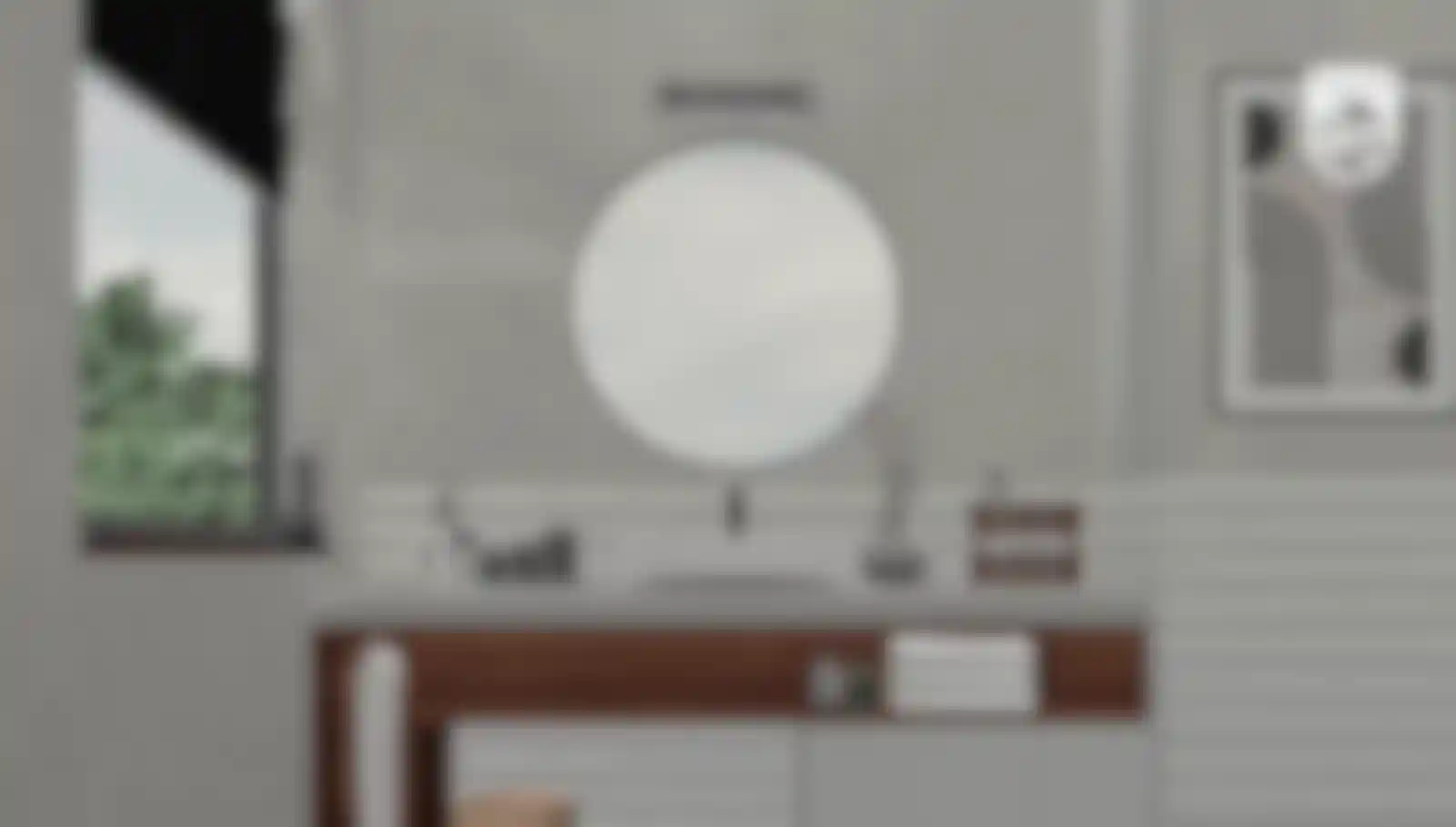
有効だと判断され、承認されたブロッキングができたら、ディテール、ライティング、テクスチャを加えながら空間をさらに作り込んでいきました。
非常に素早くイテレーションできるため、メインのレンダーエンジンとしてRedshiftを使用しました。このスピードはラボフェーズで非常に重要でした。多くのバリエーションを試す中で、ライティングやマテリアルの小さな調整が、シーンのムードを完全に変えることもあるからです。
特にRedshift 太陽機能の使用はとても気に入っています。非常にリアルなライティングを得ることができたからです。私たちは、複数のテストを実行してIPRでリアルタイムに確認することを好んでいます。光の方向を試すうえで非常に効果的です。ここでの目標は、自由かつ素早く実験し、最終作品の完成度を高める予想外のビジュアルソリューションを見つけることでした。
照明オプションの多様性を表現するために、サウンドとグラフィックをどのように組み合わせましたか?
Jáuregui: 社内のサウンドデザイナー、作曲家、シニアアートディレクターであるRodrigo Marchánと協力し、効果音とともに3Dアニメーションやグラフィックを引き立て、補完するサウンドピースを制作しました。私たちにとって、サウンドはPhilipsのランプが持つエネルギー、ダイナミズム、多様性を伝えるうえで欠かせない要素でした。それぞれの効果音が、異なるモデルやカラーの視覚的な印象をどのように強められるか、また音楽と効果音がビジュアルの物語性とどのように一体となって没入感のある体験を生み出せるかを、慎重に分析しました。この共同作業により、すべてのシーンに命が吹き込まれ、オーディエンスとのつながりを強化しながら、照明オプションの革新性と機能性を際立たせることができました。
“Redshiftは、リアルなライティングを生成し、複数のライティングセットアップを驚くほど短時間でテストするための優れたツールです。”– Gerard Jáuregui
ダイナミックなライティングを作るために、Redshiftをどのように使用しましたか?
Jáuregui: Redshiftは、リアルなライティングを生成し、さまざまなライティングセットアップを驚くほど短時間でテストするための優れたツールです。Redshiftが提供するさまざまなオプションを組み合わせ、理想的なライティングを探る作業を楽しみました。シーンごとに条件が異なるため、Redshiftの柔軟性によって、最適な方法が見つかるまで多くのアプローチを試すことができました。
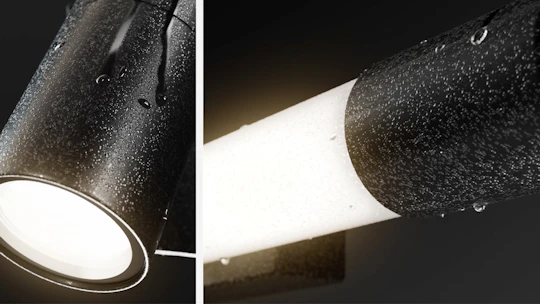
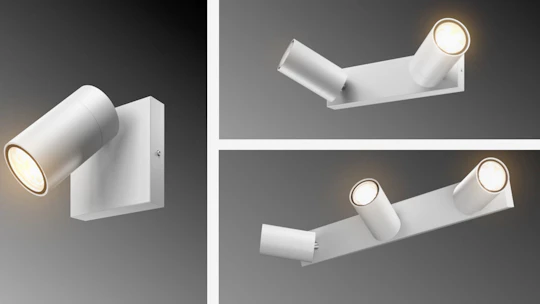
リアルなライティングを実現するためのコツの一つは、ソフトウェアが提供するすべてのツールを最大限に活用することです。つまり、シーンのライティングに単一のツールだけを頼りにしないことです。その代わりに、Cinema 4DとRedshiftの複数のツールを組み合わせて、ライティングの可能性を最大限まで引き出しましょう。さまざまなエリアライトをドームライトと組み合わせて微妙なニュアンスを生み出したり、ライトにテクスチャを加えて、光がシーンに作用する際の変化やコントラストを作り出したりしてみてください。
Cinema 4DやRedshiftのようなツールは、リアルなアーキビズプロジェクトを実現するうえで、どのような役割を果たしていますか?
Jáuregui: マテリアルは、クライアントが期待するレベルのリアリズムを実現するうえで重要な要素です。すべては、良いテクスチャを作成し、そのテクスチャが際立って画像に繊細なニュアンスを生み出すよう、適切なライティングを配置することから始まります。Redshiftでノードを組み合わせ、複雑で非常にディテール豊かなマテリアルを作成できる点を、私たちはとても気に入っています。通常のワークフローでは、カラー、ラフネス、バンプなどの各種マップを使用したベースマテリアルから始めます。その土台ができたら、「Color Layer」ノードを使って、さまざまなマップやプロシージャルノイズのミックスを始めます。これにより、作成するすべてのマテリアルに奥行き、ディテール、繊細なニュアンスを加えることができます。
どのような課題に直面し、それをどのように克服しましたか?
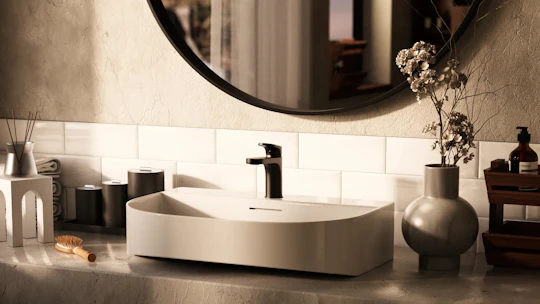
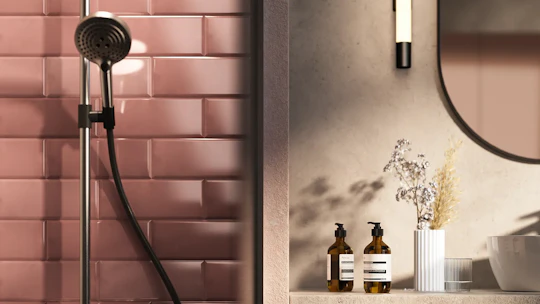
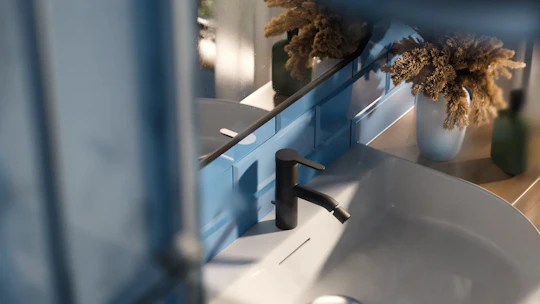
Jáuregui: 最も難しかった課題の一つは、バスルームに最適なライティングバランスを見つけることでした。製品自体が発する光と、外部から差し込む第二の光源を組み合わせたいと考えていたため、その理想的なミックスを見つけるには多くのテストが必要でした。
バスルーム全体を柔らかく満たすドームライトと、シーン内の外部ライティングの方向を定めるフィジカル太陽を組み合わせて、繊細なベースライティングを作ることが最適なアプローチだと分かりました。このセットアップが土台となり、その上にさまざまなエリアライトを追加して、バスルームのライティングを強化しました。また、ランプには発光マテリアルも使用し、よりリアルな見た目を実現する助けになりました。
完璧な建築ビジュアライゼーションの成果を得るためのコツはありますか?
Jáuregui: 最も重要なポイントの一つは、最初の段階から明確なライティングの階層を確立することです。しっかりとしたメイン光源を定義することで、シーンの他の部分を技術的にも物語的にも一貫性を持って構築できます。この土台が適切に確立されていないと、画像はすぐに分かりにくくなり、視覚的なインパクトを失ってしまいます。
ライティングに加えて、優れたアーキビズ画像は技術的な正確さだけでなく、意図にも左右されます。私たちは常に、何を伝えたいのかを自問しています。雰囲気なのか、マテリアリティなのか、スケールなのか、感情なのか。この問いへの答えが、フレーミング、構図、さらにはディテールのレベルといった判断を導きます。
また、繊細なニュアンスも非常に重視しています。わずかな不完全さ、マテリアルの変化、コントロールされた色使いによって、過度に「完璧」すぎたり人工的に感じられたりする仕上がりを避けることができます。私たちの経験では、こうしたディテールこそが本当の説得力を与え、最終的な画像を引き上げてくれます。
最後に、リアリズムとアートディレクションのバランスを保つことをおすすめします。重要なのは、単に現実を再現することではなく、画像が視覚的に効果的で、感情に訴えるものになるように現実を解釈することです。
Kutuko Studioの今後について教えてください。
Jáuregui: 私たちの目標は、技術的に確かなだけでなく、インパクトがあり記憶に残るハイレベルなプロジェクトを作り続けることです。ますます要求水準の高いプロジェクトにやりがいを感じています。建築スタジオやデザインスタジオと密接に連携し、プロジェクトに真の価値をもたらす画像を生み出せるからです。
主なポイント
Kutuko Studioは、魅力的なストーリーテリングを得意とするクリエイティブ/アートディレクションスタジオです。
Philips Bathroom Lightingプロジェクトでは、Cinema 4DとRedshiftを使用して、ダイナミックなライティングを備えたリアルなバスルームシーンを制作しました。
ライティングの階層と丁寧に作り込んだマテリアルに重点を置き、Redshiftでライティングセットアップを迅速にテストすることができました。
Nadia YanginはMaxonのコピーライターです。